

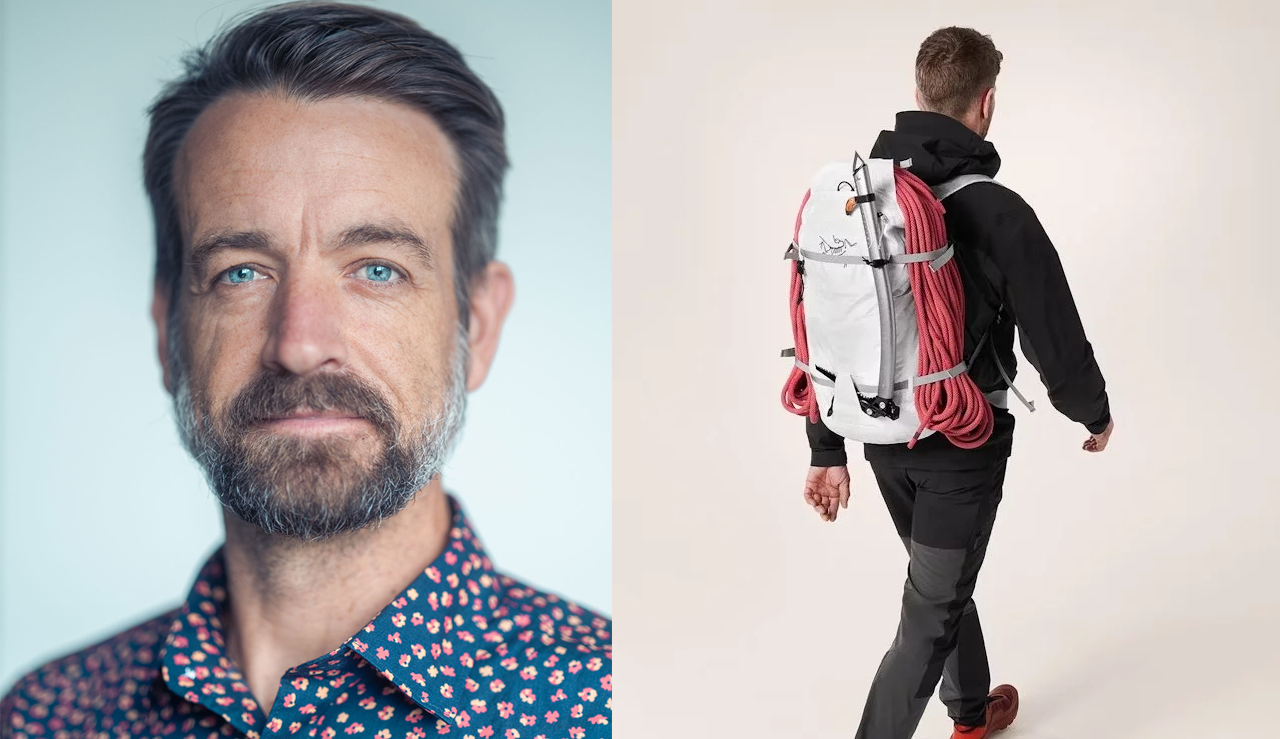
“No guidebook, or for that matter any idea, work of art, or scientific hypothesis, is truly original. All are compilations, digestions, modifications, and regurgitations of prior experience and discourse.”
— Howie Richardson
That quote, from Howie Richardson, one of the climbers who helped establish Skaha Bluffs in British Columbia, has always stuck with me. It reminds me that ideas do not appear out of nowhere. They are built from everything we have seen, felt, and built before. For me, that lens has always been packs and bags. They are how I explore ideas about movement, utility, and experience.
My start was simple: a borrowed sewing machine, a pile of scrap fabric, and more curiosity than skill. Making things by hand showed me early on that design is not about invention, it is about listening. You make something, it talks back. Every crooked seam or collapsed panel is feedback.
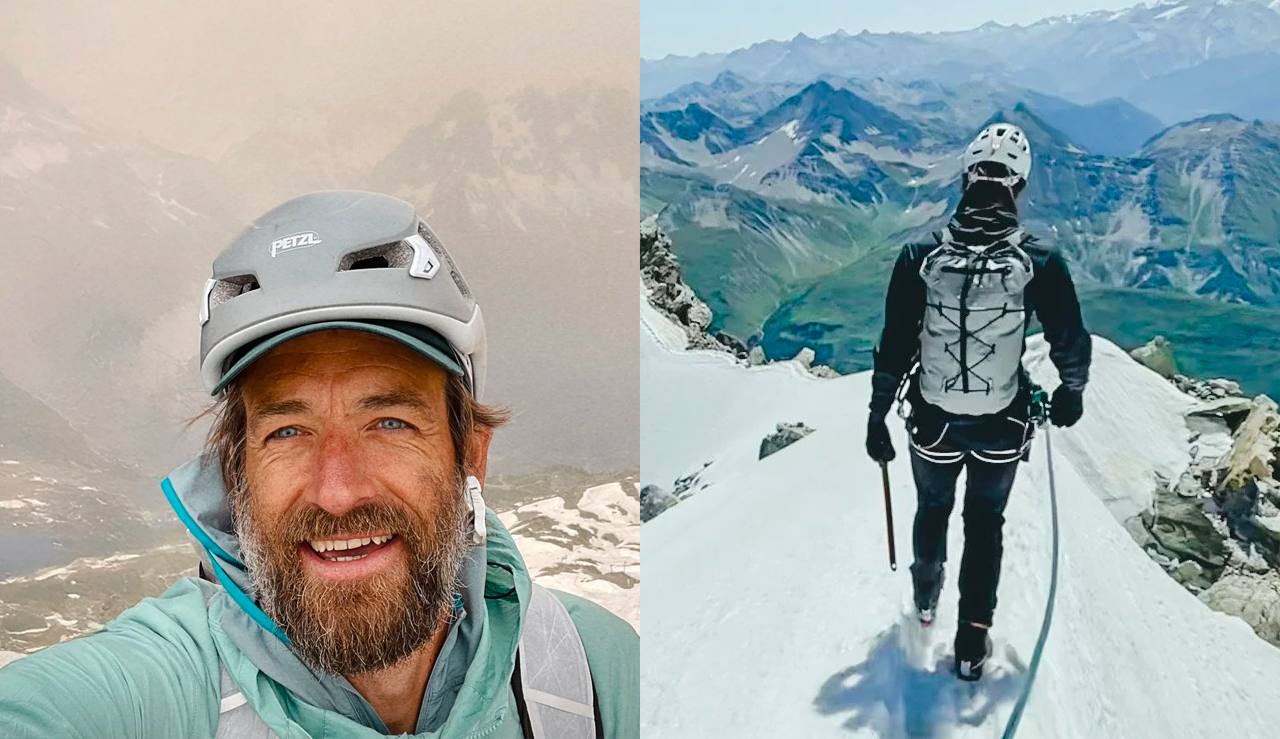
When I was repairing outdoor gear at a little shop in Australia, I began to really understand construction. Taking packs apart showed me how materials fail, where patterns hide stress, and what details actually matter once something has been dragged through years of dirt and weather. The real lessons came from seeing how gear held up in the field, not from feedback forms.
At Lowepro, collaboration became the real teacher. Working with outdoor photographers made me realize the best insights come from people living the experience every day. You start hearing design truths in throwaway comments about a soaked lens or a zipper that freezes when you are losing light. Those little frustrations become starting points. Field testing is not a box to tick. It is the only place you see if what you made actually works.
Arc’teryx pushed that thinking further. The culture there was to make the thing, then learn from it. We would build, test, rebuild over and over. That rhythm taught me that iteration is the process itself. Some of the best ideas came from athletes testing rough mockups in real conditions and coming back with honest feedback. When you are lucky, those conversations build trust. You stop defending your work and start refining it together.
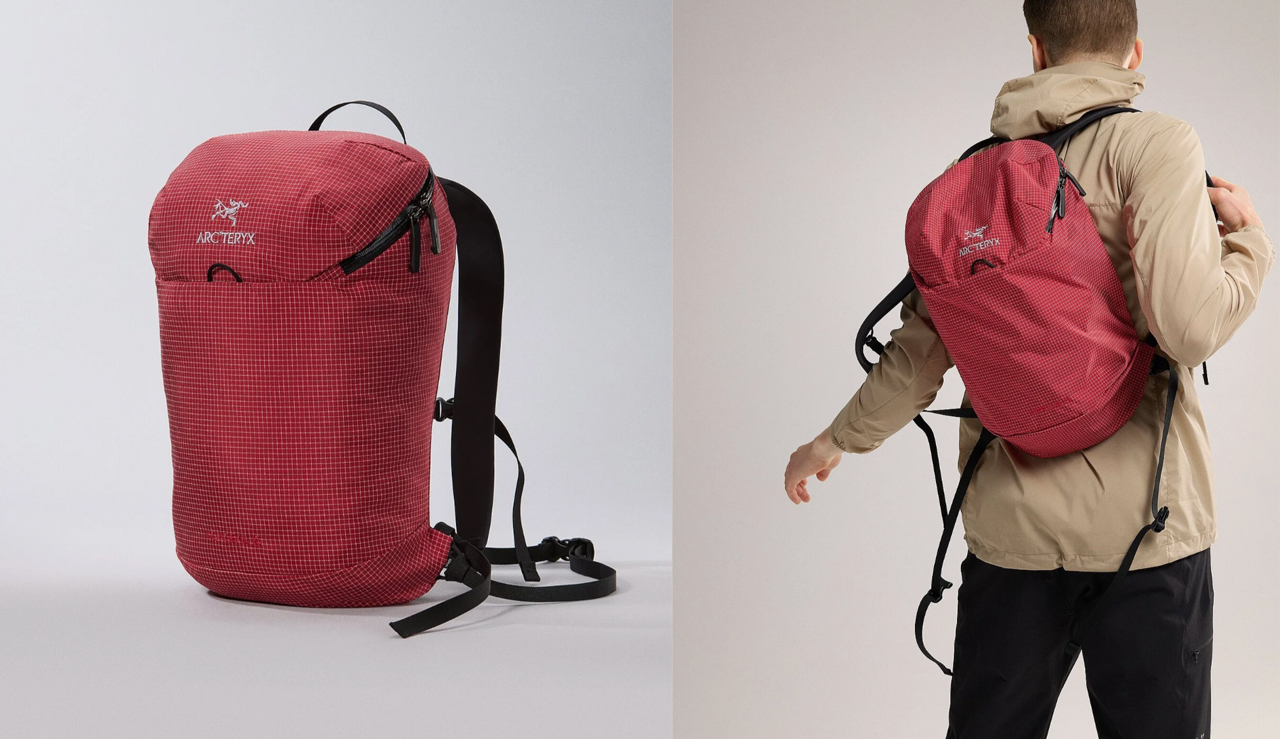
The Why and Who
The why for me has always been curiosity and the hope of making movement through the world, whether in mountains or cities, feel effortless and intuitive. The who is just as important. The athletes and users I collaborate with are not just testers, they are co-authors. Conversations on the skin track or hanging at a belay often turn into design reviews. The best insights are rarely formal. They show up mid-laugh, or in the middle of a climb, when someone mentions a small annoyance they have learned to live with.
Ideas rarely arrive fully formed. They start as fragments: a note about a guide’s pack collapsing under weight, or a thought about how a skier grabs a zipper with gloves on. I collect these fragments and let them sit. I have learned not to force those fragments into something too quickly.
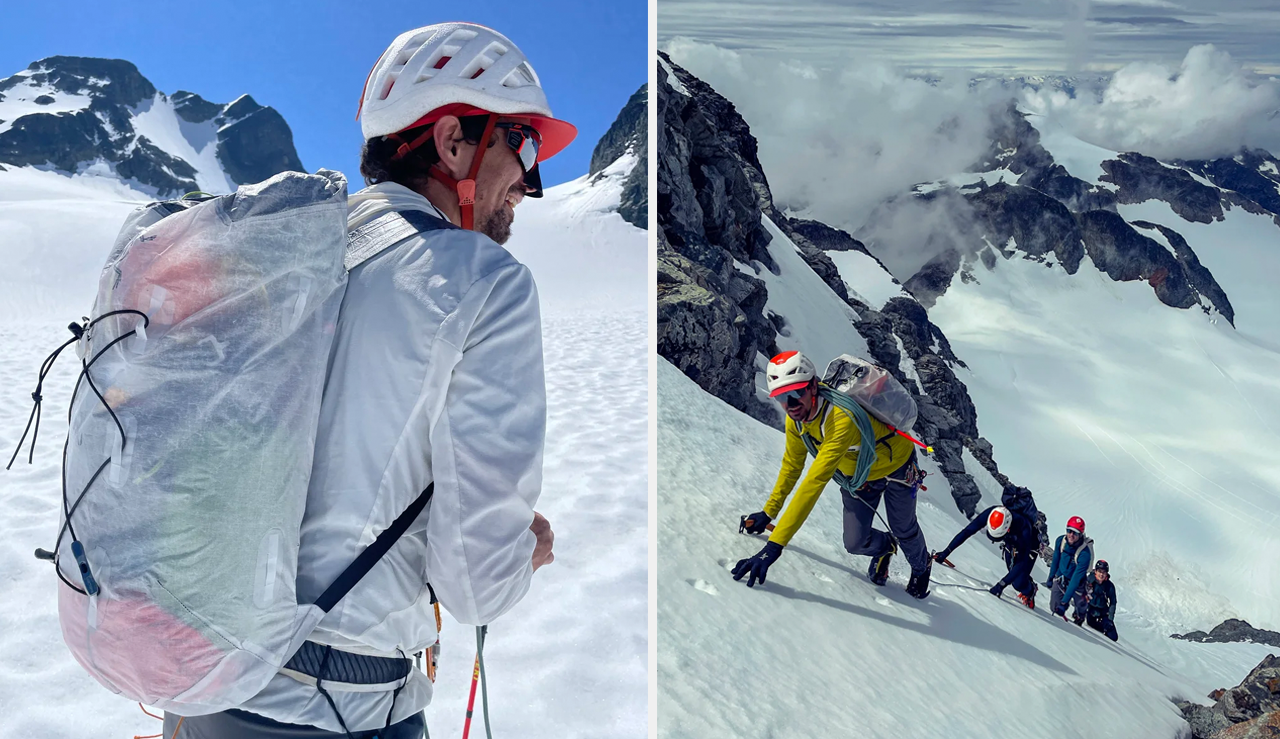
From Thought to Form
Once an idea starts to show itself, I move between conversation, sketch, and prototype almost interchangeably. A chat over coffee might turn into a rough pen sketch, then a 3D mockup, then a sewn sample the same afternoon. The first version is never it, it is just something to react to.
I usually start simple: one layer of nylon, no harness, no structure. Stuff it, hang it, live with it. I will glance at it after a run or a day outside to see if it still looks right. If the proportions feel calm, there is something true in it. If not, I cut it apart and try again.
Each prototype is a question. Does this carry the way it should? Does it capture the feel of the activity it is made for? Iteration is a conversation. The next version is always a response to the last one. You cannot shortcut that, and you cannot fake it.
Digital tools like Rhino modeling and 3D visualization help me work faster, but they are just extensions of the same curiosity. I still need to touch fabric, feel seams, and see how something collapses or holds shape. You cannot fully understand a pack on a screen.
Finding the Signal
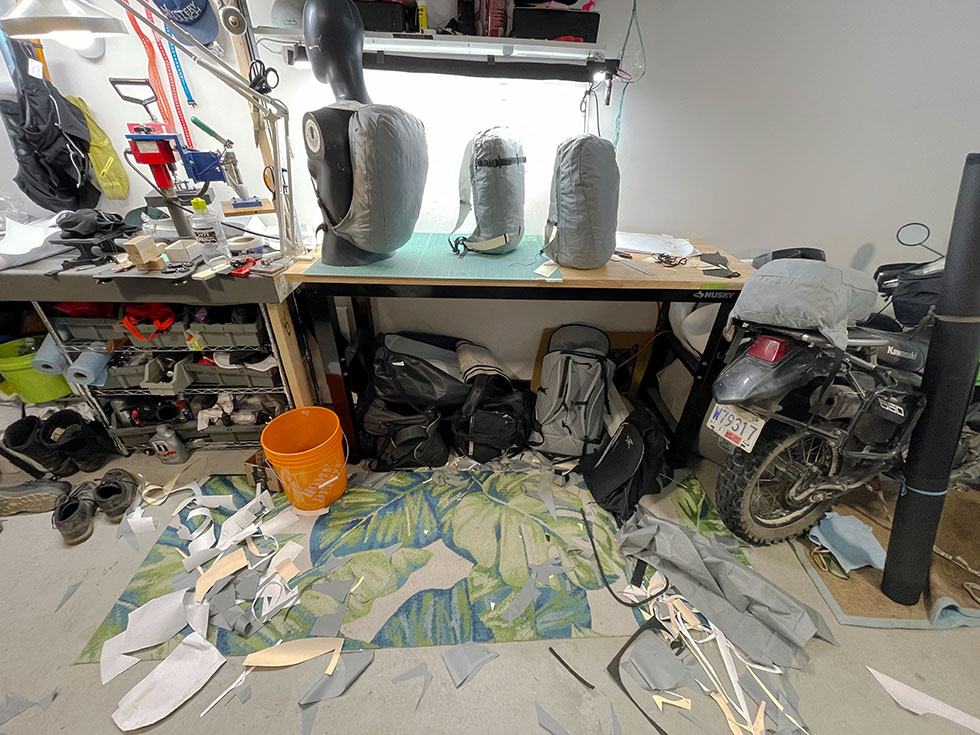
The process for me is less about control and more about tuning in. I keep prototypes around the studio like half-finished thoughts. Sometimes they just need to be there in the corner of your eye until something clicks. That pause is part of the work. Creativity does not always show up when you are trying to force it. Sometimes it sneaks in when things go quiet.
When an idea finally lands, when the proportions just feel right, the purpose clear, the form balanced, you can feel it. That is the signal. From there it is back to refining: samples, field tests, conversations, more samples. The design tightens until it stops asking questions.
Closing
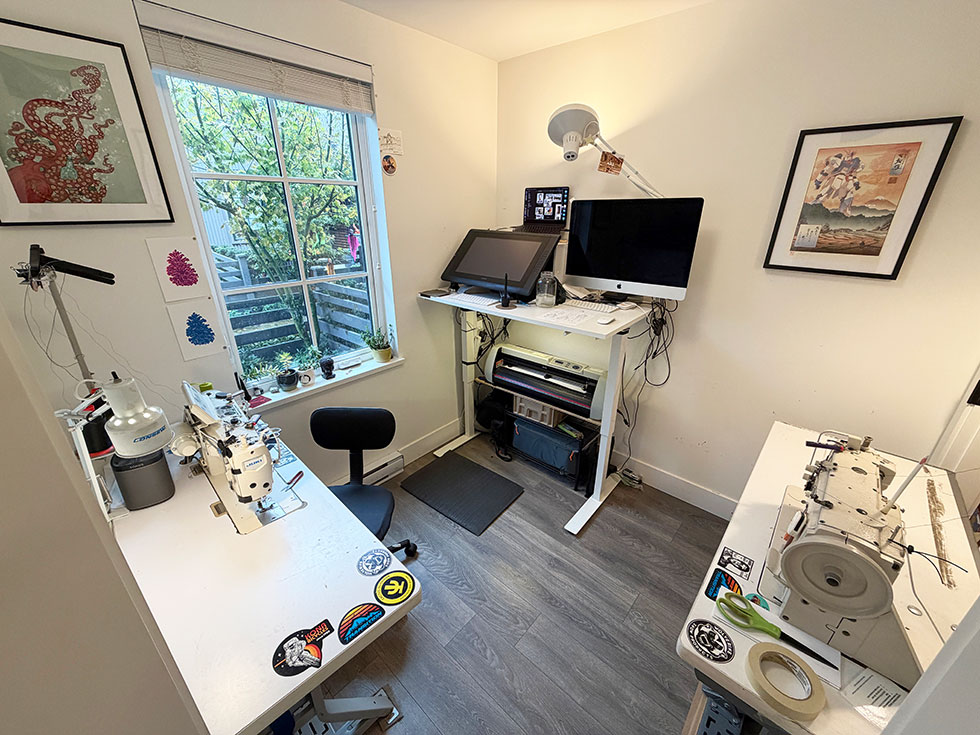
What keeps me in it is that each pack feels like a small philosophy made tangible, a balance between movement, material, and patience. You cannot rush those conversations. You listen, adjust, wait, and try again.
Maybe that is the real work of design. Not trying to make something new, but learning to see clearly enough that what is already there can finally come through.
Ryan Hetzel is a freelance technical pack designer. Find him at: www.ryanhetzel.com; LinkedIn
