

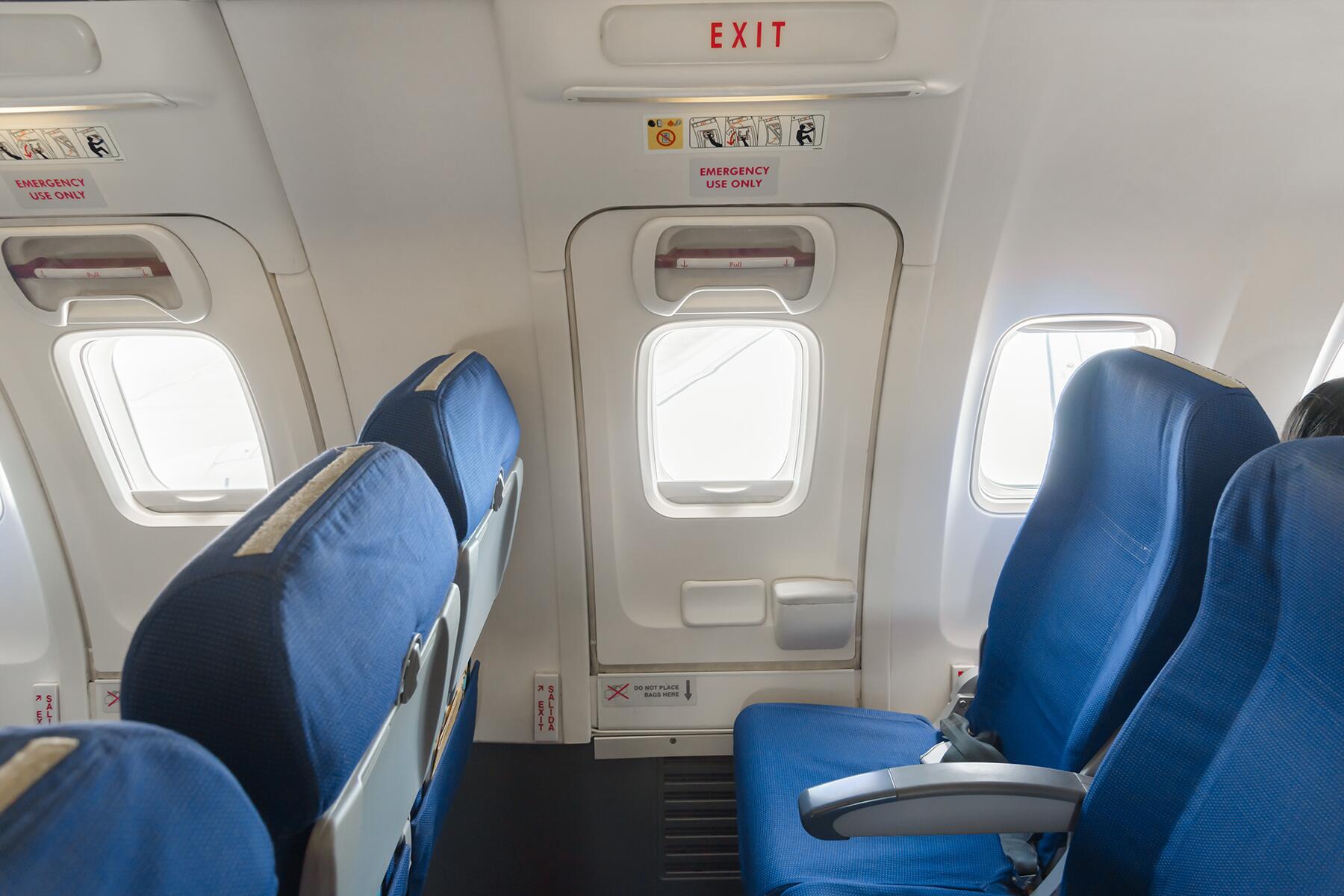
A Jetstar passenger claims he was asked to leave his exit row seat due to having one hand, sparking debate over airline safety rules, disability policies, and emergency exit row seating requirements.
An American passenger on the Australian airline Jetstar took to social media after he was asked to move from an exit-row seat.
Matt Hubbard, an associate producer at The Golf Channel, posted on Facebook to complain about the flight attendant who asked him to move.
“She kicked me out of my exit row seat because I have one hand and didn’t think I could assist in case of an emergency,” he wrote. “Don’t be like her! Jetstar Australia you have a very rude employee!” He also posted a photo showing the crewmember’s face. The post, which has been widely shared in the media, did not appear on Hubbard’s public Facebook page as of late Tuesday.
Jetstar’s policy disqualifies a number of passengers from emergency exit row seating, including those who “have an amputated or prosthetic limb, require a mobility aid or [are] traveling with a service dog.”
Continue Reading Article After Our Video
Recommended Fodor’s Video
A Jetstar spokesperson told Britain’s The Daily Mail that the flight attendant was enforcing Australia’s aviation regulations, and that the company does not tolerate abusive behavior towards crew, either in person or online.
The same article noted that the majority of commenters on the Facebook post were supportive of the flight attendant, and questioned why Hubbard was upset she was just enforcing the rules.
Passengers in exit rows must be willing and able to assist the crew in the event of an emergency evacuation, which includes operating the exit without assistance from a crewmember or another passenger. Passengers need to be able to understand and respond to crew instructions, assess conditions outside the exit, redirect passengers if an exit is blocked, and assist passengers with exiting during an evacuation.
Regulations around the world vary, but most countries require airlines to offer other seats to young children, parents of young children, passengers with disabilities or who are traveling with assistive devices or animals, passengers who require seatbelt extensions, or passengers who cannot understand crewmember instructions because of a language barrier.
Jetstar is among several Australian airlines that specifically preclude passengers with amputated or prosthetic limbs from sitting in exit row seats. Many U.S. carriers allow passengers with amputated limbs to sit in exit row seating if they use a prosthetic, but most airlines give crewmembers the final say in assessing whether exit row passengers will ultimately be able to assist.
Many airlines, including Jetstar, sell emergency exit row seats for an additional fee because they offer more legroom than standard seats, due to regulations requiring minimum spacing between seats to allow access to the exit during an evacuation.
Both airlines that charge extra for exit row seats or allow passengers to select exit row seating typically provide information regarding exit row seating qualifications at the time the seat is selected. If these airlines must later reseat passengers because they’re found ineligible for exit-row seating, they’ll typically provide automatic refunds of the seat fees.
Hubbard is not the first passenger to cry foul after being moved from an exit row seat. In 2019, a man claimed the Australian airline Qantas “fat shamed” him for asking to move from the exit row after he requested a seatbelt extension—another disqualification for many carriers in Australia and around the world. In 2024, a passenger on a Frontier Airlines flight refused to comply with flight attendant instructions during an exit-row safety briefing, which resulted in an altercation that required all passengers on board to deplane while law enforcement was called to resolve the dispute.
Last summer, a man won a €7,500 settlement from an Irish court after it denied him his reserved seat in an exit row. The man, who disclosed his autism and use of a sleep apnea machine to the airline, was removed from the exit row on his return flight from London to Dublin on account of a disability, but the court ruled that the man’s autism did not prevent him from adequately fulfilling the emergency duties of an exit row passenger, and that the airline’s actions were discriminatory.
That court case was anonymized, meaning the identities of both the passenger and the airline were not made public.
