

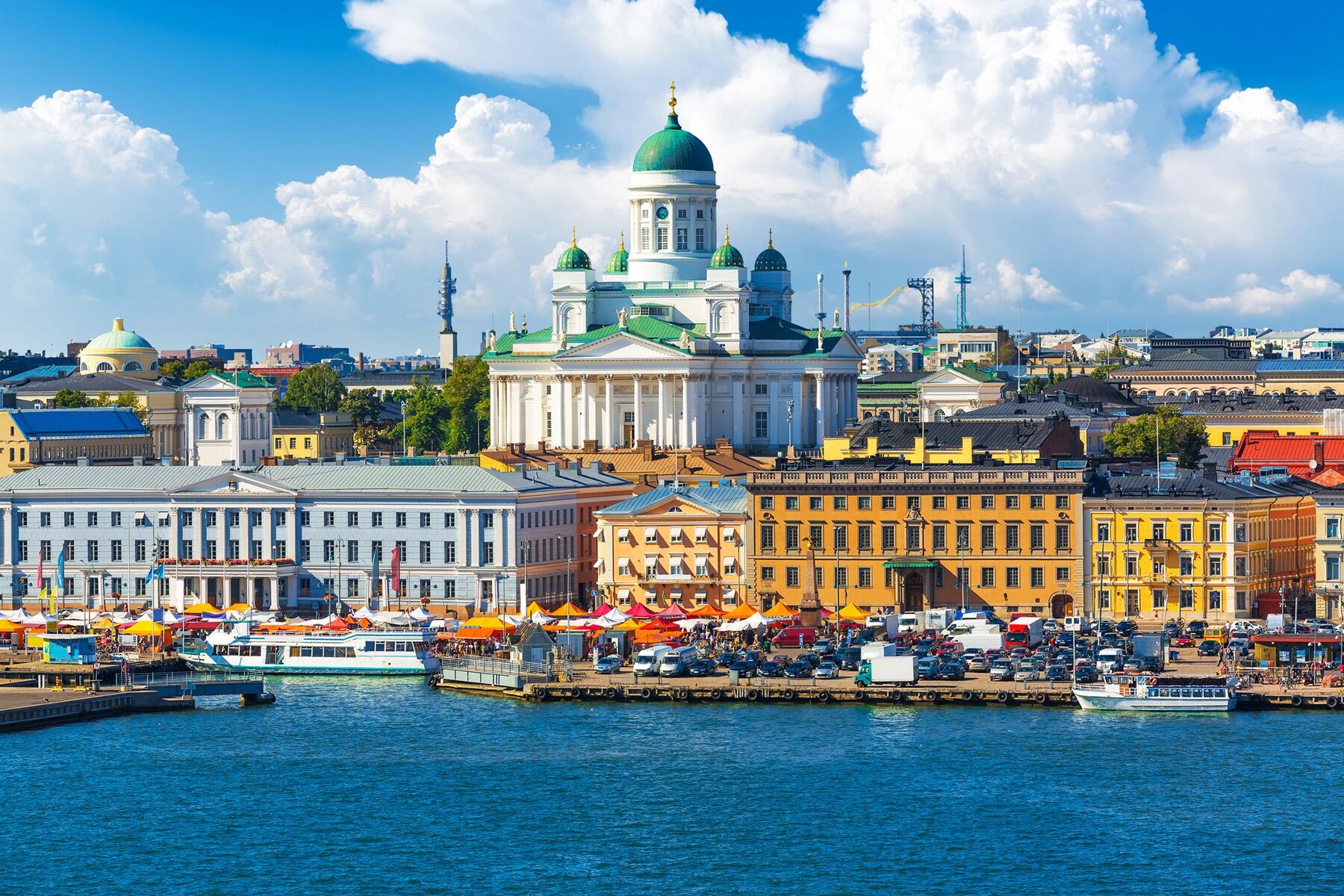
Finland is considering new tourism taxes that could let cities charge visitors for overnight stays as travel surges and destinations seek funding.
A European country with a growing number of international visitors is considering new tourism taxes. New legislation under consideration in Finland would allow local municipalities the option to impose a tourist tax on overnight accommodations to help fund the communities’ efforts to offset the impact of visitors.
The tax is working its way through the country’s legislative process following an initial report by the Ministry of Finance.
“A tourist tax would give municipalities that are popular tourist destinations a way to collect more income from tourism. The goal is to create a simple and clear tax model. Municipalities themselves would decide whether to adopt the tax,” said Minister of Finance Riikka Purra in a statement.
The legislation grants local governments the authority to impose tourism taxes, but does not require that they do so. The legislation also does not increase or introduce tourism taxes on a national level. Revenues from the taxes would remain in the budgets of the local governments that choose to collect them. The draft legislation proposes levying tax on both foreign and domestic visitors, and across all accommodation types, to ensure that the tax is collected equitably.
Continue Reading Article After Our Video
Recommended Fodor’s Video
Tourism taxes are common in other parts of Europe, but have thus far not been collected in Finland. Several governments in Europe have added or increased tourism taxes in 2026. Governments in the Netherlands, Barcelona, Paris, Edinburgh, and Norway have increased taxes on accommodations in 2026.
Other regions have introduced entry fees to popular attractions, such as the Trevi Fountain in Rome or the hiking trails in Italy’s Cinque Terre region. Norway has introduced a 3% tourism levy on overnight hotel and cruise visitors in certain high-demand parts of the country. In the Netherlands, accommodations taxes have more than doubled, from 9% to more than 21% since November 2025.
Many European countries that have adopted tourism or accommodation taxes have done so on a decentralized system. Many countries, including Cyprus, Denmark, Sweden, and Ireland, do not impose nationwide tourism or accommodation taxes, but may give local governments the authority to impose the levies. Many of the taxes were first imposed in the mid-2000s as international tourism steadily grew and local governments sought funding to help improve infrastructure and manage visitor flows and quality of experience.
In the United States, accommodation taxes are near-universal—120 of the largest 150 U.S. cities impose taxes on overnight accommodations. Several top cities, including Washington, D.C., Chicago, and Los Angeles, charge more than 15% of the cost of accommodations in tax. Several states impose additional levies on accommodations, including Hawai‘i, Connecticut, Arizona, and Delaware.
Finland broke tourism records in 2025, attracting over 5 million foreign tourists during the year. Tourism generated roughly €3.7 Billion in visitor spending in 2025. The majority of visitor arrivals came from within the European Union, although the country is also popular with visitors from the United Kingdom and North America—particularly travelers seeking “cool-cations”, or cooler weather locales during the northern hemisphere summer.
Finland ranked as one of the most expensive countries in Europe, ahead of most other regions on the continent, but still a relative bargain compared to its Nordic peers. It ranked third for alcohol prices, trailing only Iceland and Norway.
If the legislation passes, it would enter into force in 2027, allowing local governments to impose the taxes from 2028.
