

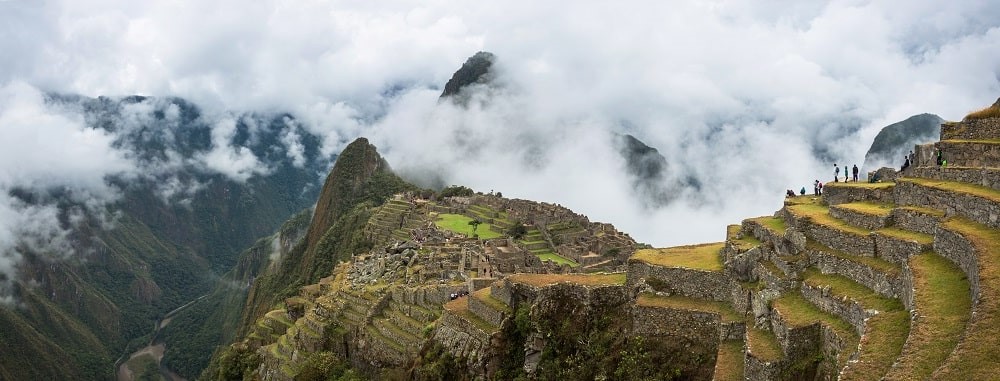
We have all seen the famous photos of Machu Picchu. The ruined city cradled by emerald mountains is one of those rare places that you do not even need to prepare a sales pitch for. It is simply a given that people want to see it in their lifetimes, and probably one of the main reasons that you are even thinking of travelling to South America.
This guide will give you a comprehensive overview of how to plan your perfect trip to the Inca city lost in the clouds from a two-time visitor. Whether you prize speed, comfort, price or epic mountain views, there is an option tailored to your dream Machu Picchu trip.
Editor’s note: If you’re planning to hike to Machu Picchu, the best (and in many cases only) way to do so is by joining a guided group expedition. Based on extensive research and surveying the latest reviews, we’re confident in recommending these two operators:
Best time to visit Machu Picchu
The ideal time to visit Machu Picchu is during the dry season (May-October). The clear blue skies do however come with crowds. The rainy season has less people but a higher risk of fog obscuring your views of the city. If you choose to trek, you could have a soggier than normal experience
The odds of a clear Machu Picchu can be improved by visiting the city as early as possible, which I would recommend anyway. Rain in the Andes usually falls in the afternoon, so all going well, you can get a cut-price Machu Picchu view without hordes of tourists, or potentially a washout. Roll that dice!

Your experience also depends on the time of day that you visit. The idea of a perfect sunrise over Machu Picchu is a bit of a myth.
The East is ringed with mountains, so the light sort of just creeps over the mountains from an already risen sun. Many people told me to skip the 4am start for this reason. However, after persevering, I would still recommend this. I got the 5:30am bus, getting me up to Machu Picchu before sunrise.
Seeing the lost city emerge from the darkness on an impossible ridge beneath the bulk of Huayna Picchu was quite unlike any other in my travels. There was also a good hour before the crowds appeared. My photos of dawn at Machu Picchu were almost free of people, and being able to contemplate how it must have looked 500 years ago in peace was a rare privilege in July.

Tip: how to take your time exploring. Machu Picchu has a one-way system designed to funnel people out of the site. You are not supposed to go back on yourself. There are also no toilets or access to water.
If you want to make the most of your trip, train your bladder and walk as slowly as possible! I lasted 9 hours in the park before I had to answer nature’s call! Food is prohibited in Machu Picchu, but do take water, sunscreen and bug spray.
How to get to the ruins
There are a variety of ways to get to Machu Picchu, but they can be broadly divided into hiking or public transport.
If you want to hike, nowadays the most popular option is the Salkantay trek. The Inca Trail is still the most famous and exclusive option but has high costs and a limited number of permits. The Lares Trek is an intriguing alternative option.
For public transport, the cheapest option is to get a shuttle bus from Cusco to Hidroeletrica (or from Ollantaytambo if that’s your departure point), which is a two-hour walk from Aguas Calientes, the town at the base of Machu Picchu. The most convenient and luxurious option is to take a train directly to Aguas Calientes.
Hiking to Machu Picchu: the 3 best treks
1. Salkantay Trek
- Best group trek: Inkayni Peru Tours group trek
- Duration: 5D / 4N
- Price: $699 – all inclusive
- Trail difficulty: hard | high‑altitude passes above 4,000m and varied terrain
- Group size: 8 hikers max
This is by far the most popular way to hike to Machu Picchu. I think that it is brilliant for visitors on a quick trip to Peru, as it showcases the Andean wilds without having to visit far-away regions like Huaraz. The classic route is four days long, including a day at Machu Picchu.
Unlike the Inca Trail, you can hike the Salkantay Trek without a guide, though we still highly recommend one. The elevation gain is serious, and even experienced trekkers benefit from local support in the Andes. This 5-day Salkantay group trek takes half the burden off, with mules carrying your gear, transport handled, and a proper camp setup.
If you’re doing it yourself, you’ll need a Machu Picchu entrance ticket, which should be booked well in advance. (more about this in the tickets section)
The first day consists of visiting Laguna Humantay, a famous high altitude lake at the skirts of Mount Humantay.
The second revolves around crossing the 4,600m tall Salkantay Pass. Mt Salkantay, visible from Cusco, is a 6400m tall behemoth and was held sacred to the Incas. Local guides will leave offerings like coca leaves and alcohol to the spirit believed to live within the mountain.


The final day of hiking drops down into the cloud forests, make sure that you watch out for mosquitos! What many people are surprised by is that the route does not finish at Machu Picchu. It ends at Aguas Calientes, where you will stay for a night before making your way up the following day.
Salkantay is the best value hike, and even if sections do get a bit crowded, you get to experience the savage beauty of the Andes and see eye-poppingly vivid stars on the way. Treks typically start around $350 with budget operators if you book locally in person. Prebook online or go with a more premium operator and the cost can go up to around $550.
2. Inca Trail
- Best group trek: Alpaca Expeditions group trek
- Duration: 4D / 3N
- Price: $835 – all inclusive
- Trail difficulty: moderate to hard, long hikes with high-altitude sections, including Dead Woman’s Pass (~4,215m / 13,800ft)
- Group size: Up to 14 hikers
This is arguably the most famous trail in South America, and is on many bucket lists, including my own! The route follows the original Inca road to Machu Picchu, passing through ruined ruins like Wiñay Wayna on Inca staircases. There is no trail quite like it.
The Inca Trail is one of the most in-demand treks in the world. Access to it is tightly controlled by the Peruvian government (only around 200 trekkers are allowed on the trail each day) and permits sell out months in advance.
You can’t obtain one on your own either; only licensed tour operators can secure your permit (plus your Machu Picchu entrance ticket & other fees along the route).
Our top pick here is: Alpaca Expeditions, one of Peru’s most established tour operators. Their guides teach the trail, chefs cook real meals at altitude, and porters ensure no one gets left behind. The trek is done in small groups of up to 14 with permits, food, and equipment all included.
The road is kept in a pristine state of preservation by strictly limited numbers on the trail, and it is closed for all of February for maintenance. The biggest flex of taking the Inca Trail is the view of Machu Picchu from the Sun Gate (Inti Punku). This is how the Inca emperor would have seen the city, and was made famous by Hiram Bingham’s photographs centuries later.
Only Inca Trail trekkers can watch the sunrise from this viewpoint, calibrated by the Incas for exactly this purpose. I am extremely jealous of anyone who experiences this.
The downside to the Inca Trail? Cost. Both physical and financial. The route to Machu Picchu is extremely hard, sheer staircases strain your knees, while the boss fight is a 1200m climb over Dead Woman’s Pass, a formidable obstacle.

To add to this is that horses are not allowed on the path. So you will be carrying most of your 4 days worth of supplies. Human porters can only carry so much. It also costs around three times the Salkantay Trek (prices start at $750) and must be booked around six months in advance to get the proper permits.
This is best for those with lots of time to plan their trip and cash to splash.
3. Lares Trek
- Best group trek: Alapaca Expeditions group trek (with hot spring)
- Duration: 4D / 3N
- Price: $650
- Trail difficulty: moderate | high-altitude hiking up to ~4,600m / 15,100ft, with steep mountain passes & unpredictable weather conditions
- Group size: up to 12 hikers
This is very much the other option to get to Machu Picchu. As Indie Traveller readers, I figured you would be interested in alternative ways to travel.
Named for the remote Lares Valley, this route snakes over mountain passes dotted by cobalt lakes and bubbling hot springs. This trek offers a cultural immersion unlike the other trails. Rather than lying in ruins, the indigenous culture is living on Lares.
Farmers still live in stone and thatch houses, farming alpacas and potatoes as their ancestors had for centuries. The chance to buy hand-spun alpaca products directly from the farmer and offer an exchange of gifts is rare in the touristic Cusco region. Expect to pay around $500.
The 4-day route leaves the Lares Valley by way of the famous salt mine of Maras, down to Ollantaytambo, from where you catch the train to Aguas Calientes. Short of getting a press trip for the Inca Trail, I would select this hike if I were revisiting Machu Picchu.
Join Alpaca Expeditions’ Lares trek for the small-group setup and solid logistics, plus the payoff of soaking in the Lares hot springs after a long day on the trail.
- Acclimatization: The jump in altitude affects your body immediately and it needs time to adjust before any physical effort, so spend at least 48 hours in Cusco.
The town is 3,400m above sea level. Machu Picchu is lower, but that doesn’t save you if you rush in unacclimatized - Slow pace beats power at high altitude: On the Inca Trail, you will be walking 8 hours back to back, with 30% to 40% less oxygen than your body would be used to having at sea level. The best way through is slow, steady pacing, controlled breathing, and plenty of breaks to avoid burning out fast.
- Use both local and medical altitude fixes. Coca leaves/tea help with energy and headaches (no drug effect, but give a slight energy lift at altitude). Most hostels offer them for free, and you can grab a cheap bag at San Pedro Market. Soroche pills (Diamox) are also effective in preventing mountain sickness for many hikers, especially if taken before symptoms hit
- Downhill is the real strain! Whether you hike Salkantay, Inca Trail, the Lares valley, or even just explore the site, descents are what wreck your legs. If you’re not used to long downhill walking, expect sore knees and slower days.
- Trekking poles are a cheat code: they reduce impact, stabilize you on uneven terrain, and save your legs over multiple days.
Reaching Machu Picchu by public transport
Bus to Hidroelectrica + hike (cheap & scenic)
This is a no frills option for those just simply looking to get to Machu Picchu for the least amount of money. A minibus will collect you from Cusco or Ollantaytambo and drive you to Hidroeletrica, a hydraulic electricity plant that is the closest that Machu Picchu is to the outside road network. It is about seven hours away from Cusco. From there it is a two-hour walk along train tracks to Aguas Calientes.
I did this route back in 2023 with a very modest budget. I paid 100 soles ($30) for both legs of the journey, and was actually surprised by just how scenic both the road and the views from the railway were. I found wild coffee beans and had a pretty risky swim in the Urubamba River beneath Machu Picchu.
If you choose this, wear long trousers as the sand flies are vicious. While it is good value, after hiking Salkantay, I feel like you definitely miss out by not hiking.
Train to Machu Picchu (more costly but comfortable)
This is the premium public transport option. A railway line, pretty incredibly constructed, takes you over the undulating mountains of Cusco down into the cloud forests directly beneath Machu Picchu in just 4 hours. Even the standard train is extremely comfortable, but luxury options like the Hiram Bingham by Belmond are akin to flying first class.


Staying on the train until the end of the line at Santa Teresa, a jungle town with hotsprings, is also a brilliant side quest.
The catch is that it can be very expensive if you do not book far enough in advance at peak times. Even with normal prices, a round trip from Cusco to Aguas Calientes typically costs around $150. From Ollantaytambo, it is only slightly less at around $120 with a month’s notice.
(PeruRail and IncaRail are two companies running trains to Machu Picchu that you can book your ticket from. PeruRail has more departures and a wider range of options (including a luxury service) while Inca Rail is the more boutique pick with fewer train and more premium feel. Both get you there, so it really just comes down to schedule and budget)

Getting from Aguas Caliantes to Machu Picchu
The way up from Aguas Calientes to Machu Picchu is by coach bus. At $12 each way, and just 15 minutes of driving, this will be one of your most expensive rides per mile. The first coach leaves at 5:30AM, and then every 10 minutes after that until 3:30.
The last coach down to Aguas Calientes is at 5:30. Try to get there 30 minutes before your ideal departure as queues form quickly. For the intrepid or stingy, you can hike up, which takes 90 minutes.
How many days do you need?
The average time to visit Machu Picchu is four days if you hike – the length of the classic Inca, Salkantay and Lares treks. For public transport, it is two days – one day to get to Aguas Calientes, stay there for a night, see Machu Picchu on the second day and get back afterwards.
However, the length of your visit to Machu Picchu is pretty customisable. If speed is everything, you can see it in a day from Cusco by way of trains. On the other hand, you can choose a 7-day Inca trail route if time and money are no concern.
Unless you do the Inca Trail, you will most likely spend a night in Aguas Calientes at the base of Machu Picchu. The funny name, which means hot water in English, is for the muddy hot springs found here.

It is a bit of a marmite, love-it-or-hate-it place. The entire rationale for its existence is tourism, which in turn encourages locals to be as pushy selling their goods as possible. All the contrasts of tourism are present here – five-star hotels sit alongside budget hostels or ramshackle apartment complexes. I personally hated it, though other travellers breathlessly recounted the crazy nightlife. Perhaps it is what you make of it.
That said, I did prolong my stay by an extra night after seeing Machu Picchu to visit Llactapata. This ruin was found by Hiram Bingham when he first reached Machu Picchu in 1911 and then lost again until 2000.
It sits across the valley from Machu Picchu, sort of like a suburb, except in ancient times, it would have been considered part of the complex. It was a great opportunity to see sumptuous Inca stonework without the crowds of Machu Picchu.

A word of warning is that visits to Machu Picchu have been affected by political instability. A favoured protest tactic in Peru is a roadblock. With just one road and trainline out of Machu Picchu, the site is especially vulnerable to this. Try to leave a few days’ leeway after visiting to ensure that you do not miss an important flight!
Should you book ahead?
As much as we love spontaneity as travellers, Machu Picchu is one of those experiences that suits forward planning. It is the most visited tourist site in Peru, and as such, demand is massive. In peak seasons, train tickets sell out for days, entry tickets are in short supply, leaving you in limbo at Cusco or Aguas Calientes waiting for more to be issued, and guided hiking places for Salkantay are often sold out.
For the Inca Trail, there is no option but to be super organised. With only 500 daily permits (half reserved for porters and guides), demand far exceeds supply. I recommend booking six months in advance.
Numerous licensed operators compete for Inca Trail permits, so it’s easy to feel overwhelmed when having to choose who to trek with. To make it easier, we recommend two reputable operators that offer a great experience while also caring about making a positive impact on the local environment.
Alpaca Expeditions is our go-to favorite for the best-rated treks. They have a stellar track record with hikers, reliable logistics, and a genuine commitment to fair wages and sustainable practices. Check out their 4-day Inca Trail trek as a first choice, or their 4-day Lares Trek as an alternative.
For the Salkantay Trek, we’d recommend either Inkayni Peru Tours for a more intimate, flexible experience in small groups or go with Alpaca Expeditions. Both offer a 5-day option.
How do Machu Picchu tickets work?
Getting your ticket to Machu Picchu is not always as simple as just buying it online and rocking up at the gate. There are different internal circuits inside Machu Picchu, some of which do not include the iconic view that I am sure drew you there in the first place. There are also extras, like climbing the mountains around the site.
Tickets 101
As mentioned, the Inca Trail requires a permit through a licensed tour operator in order to hike to trail. Separately, you’ll need a Machu Picchu entrance ticket, so check whether it’s included in your hike. Most Inca Trail tours bundle it, but some treks may rely on you sourcing your own ticket.
If your trek doesn’t include a ticket, or you’re visiting without trekking, then the easiest and most recommended way of getting one is via the Peruvian Ministry of Culture’s website.
For those of you who live spontaneously, you can also source a ticket in person at the Ministry of Culture office in Aguas Calientes. 1,000 tickets are issued per day here, which seems like a lot, but in high season 6,000 people visit Machu Picchu per day. So, even this ticket release often sells out before everyone can get one.
To maximise your chances, get in line before the office opens at 6am. The queue is semi-legendary among Peru backpackers, but just save yourself the fuss by buying online in advance!
There are also concession prices available for Peruvians, students and children up to 13 years old.
Which circuit to take?
When booking online, you’ll be asked to pick a circuit. They’re not all equal.
For the iconic panoramic view of the ruined city nestled beneath Huayna Picchu, you will want Circuit 1. Circuit 2 gives you a decent view too, but it is not on the level of Circuit 1. These two circuits sell out months in advance, so book ASAP.
I made quite a big error booking my ticket back in 2023. I selected Circuit 3, which included a hike up to Wayna Picchu. Marketed as ‘Machu Picchu’ royalty, I assumed that it would include the view of Machu Picchu I had long anticipated. Unfortunately, it did not, and could only see one half of the iconic peak. While climbing Wayna Picchu was sensational, I felt slightly shortchanged.
Note: As for 2026, the Peruvian Ministry of Culture runs Machu Picchu with specific times you can enter and a strict cap on how many people get in each day.
You have a 30-minute tolerance in low season and 45 minutes in high season to reach the entrance after your scheduled slot; after that, you won’t be able to enter.
A brief history of Machu Picchu
I think that there is little doubt that Machu Picchu is the most famous archaeological discovery of all time. For hundreds of years from the doom of the Inca to the early 20th century, it lay veiled in the jungle.
Unknown to all but a handful of locals, until a lanky Yale professor, his heart burning for fame, took up the offer of local farmers to see some ruins. This man was Hiram Bingham, a name that you will see blazoned across Cusco. His book, Lost City of the Incas, is basically required reading for any trip to Machu Picchu.
When he published photos of Machu Picchu in National Geographic, he caused a global sensation. People began flocking in droves to see it, turning this from wilderness to South America’s most recognisable tourist spot. Bingham was not looking for Machu Picchu. He was looking for another lost city called Vilcabamba, which was the last refuge of the Incas after Cusco was lost to the Spanish. This has now been identified as a ruin called Espiritu Pampa in the wild Vilcabamba province.


In fact, Bingham was a bit confused by Machu Picchu, since it did not match any descriptions of Vilcabamba, and did not appear in any chronicles, yet it was clearly of huge importance. We still have not definitively answered quite what it was. Even now, Machu Picchu is a place of unanswered mysteries, which I think is a nice rarity in an age of information overload.
The leading theory is that it was a country estate for the emperor Pachacuti, and was probably abandoned before the conquest. Others believe that it was a pilgrimage site, potentially the mythic place of creation or a trading post with Amazonian cultures. Visit and make up your own mind!
Today, the city lies in ruins (obviously) but you get a great sense of how it once looked. As much as I love history, I think that the natural setting is the real reason for its fame. You could put any building, like the Parthenon or Colosseum, and it would be overawed by the emerald face of Huayna Picchu and the plunging canyons on either side.

The city itself was divided into sectors, some for workers, others for nobles and some for priests. There are multiple landmarks like the Temple of the Condor, Temple of the Three Windows and Intihuanta. Each shows the precision and artistry of Inca stonework, as well as their delicate sense for the natural world.
Features mimic the sacred landscape, and much of Machu Picchu was astronomically calibrated. The winter solstice sun will align with the windows of the temple of the sun, while the Intihaunta (where the sun is tied), tracks the sun’s highest points during the equinoxes. I guarantee that you will be wonderstruck.
