

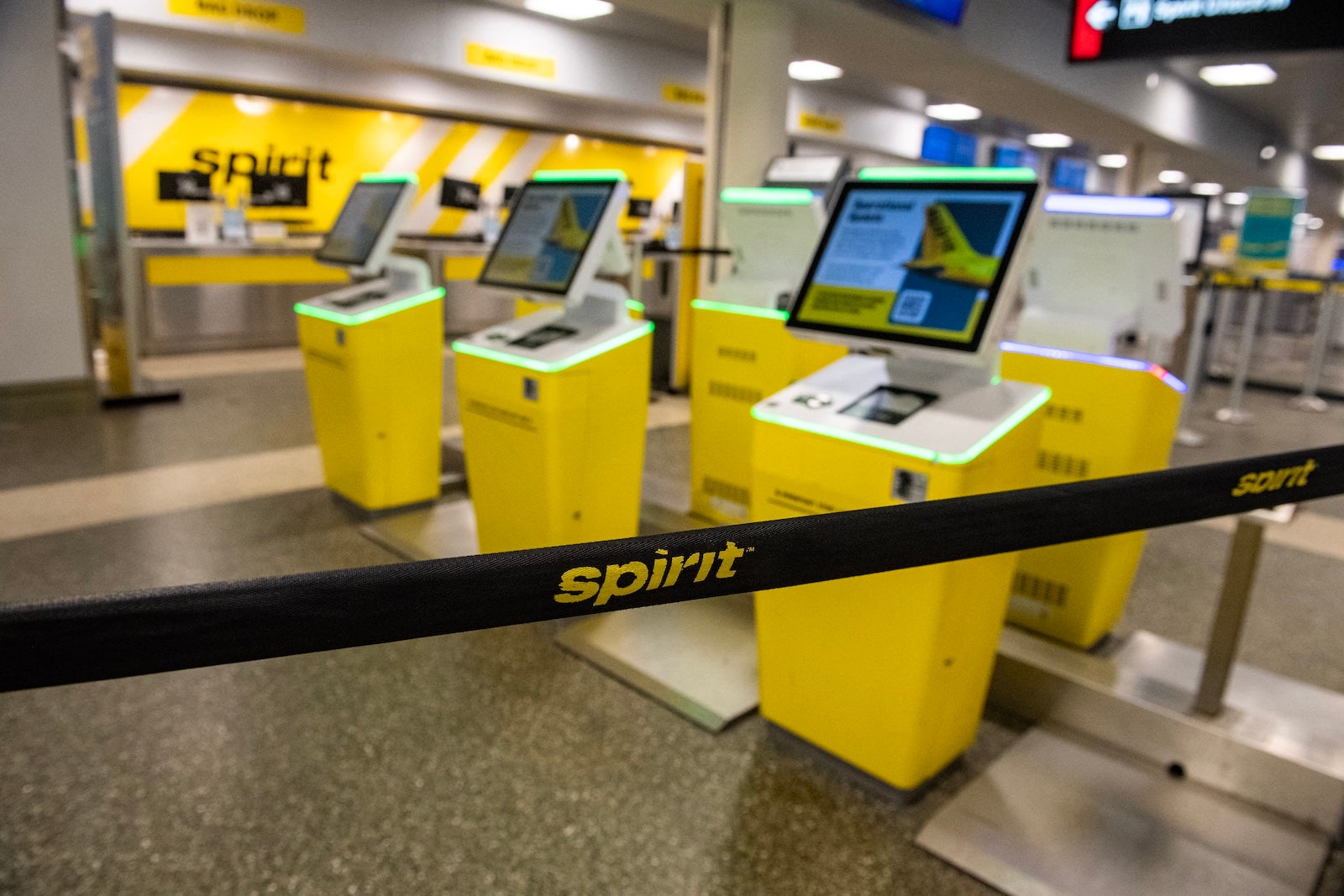
Spirit Airlines’ planes are grounded, and its former competitors are swooping in to take over routes it used to fly.
Now, the big question: What price will consumers ultimately pay?
After all, you likely benefitted from Spirit’s presence — even if you never set foot on one of its big yellow planes, sipped one of its signature BuzzBallz cocktails, or cared much for the bare bones fare, add-on fee model that once earned it the “bus with wings” moniker.
The airline long served as a key layer of competition in a heavily consolidated, top-heavy airline industry, helping to keep fares in check at the big carriers.
Now, it’s gone. And experts have already warned that travelers’ wallets could ultimately feel the void.
“Without [its] competitive presence, prices are likely to rise,” Kerry Tan, airfare expert on the faculty at Loyola University in Maryland, said.
The price impact may not be immediate
Now, I do want to keep things in perspective: We’re certainly not likely to see flight prices immediately shoot up dramatically across the whole country as a result of Spirit’s demise.
For one, the Florida-based airline had been shrinking its national footprint for months prior to the shutdown, pulling out of cities and cutting routes as its finances deteriorated.
In February, Spirit’s share of the U.S. market was nearly 25% smaller than it was the year prior, according to data from aviation analytics firm Cirium.

Reward your inbox with the TPG Daily newsletter
Join over 700,000 readers for breaking news, in-depth guides and exclusive deals from TPG’s experts
This is to say, Spirit was already a lot less of a factor at airports.
Read more: Spirit refunds ‘most’ passengers, but points and vouchers in major jeopardy
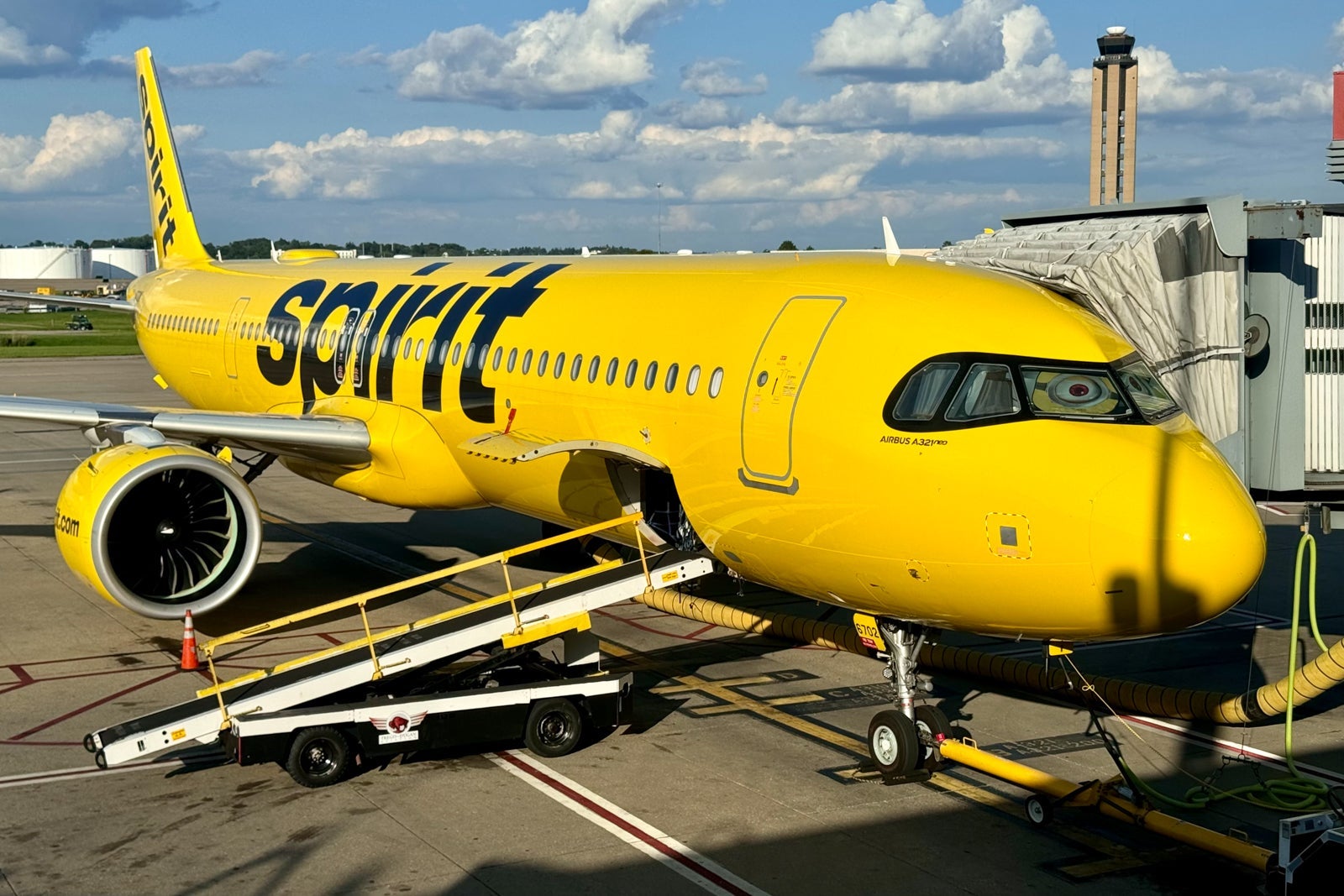
And, despite its exit, there is still competition at the discount end of the airfare spectrum – and those airlines are making moves.
Frontier — along with JetBlue, Allegiant Air and relative newcomer Breeze Airways — has moved quickly to add service in some former Spirit stronghold cities like Fort Lauderdale, Las Vegas and Atlantic City.
Low-cost airlines will still have a presence at U.S. airports, however diminished.
And travelers hoping for discounted fares will likely be rooting for those carriers to keep the pressure on their larger rivals.
Related: Had elite status with Spirit? These airlines are offering a status match
Consumer concerns
Make no mistake, though: The end of Spirit is not a positive development for consumers.
Historically, the airline’s exit from markets has led to higher ticket prices.
Our friends at Thrifty Traveler shared a sobering example last month, noting that when Spirit pulled out of Minneapolis-St. Paul International Airport (MSP) late last year, average fares doubled on routes it vacated.
So which cities should you watch for fare increases?
According to Cirium data, Spirit last year was the biggest challenger to the dominant top carrier at a handful of major hubs, including:
- Newark Liberty International Airport (EWR), where it was a distant second-place to United Airlines
- Detroit Wayne County Metropolitan Airport (DTW), where it was runner-up to Delta Air Lines
- Baltimore/Washington International Thurgood Marshall Airport (BWI), where it offered the second-most seats of any carrier last year, behind No. 1 Southwest Airlines.
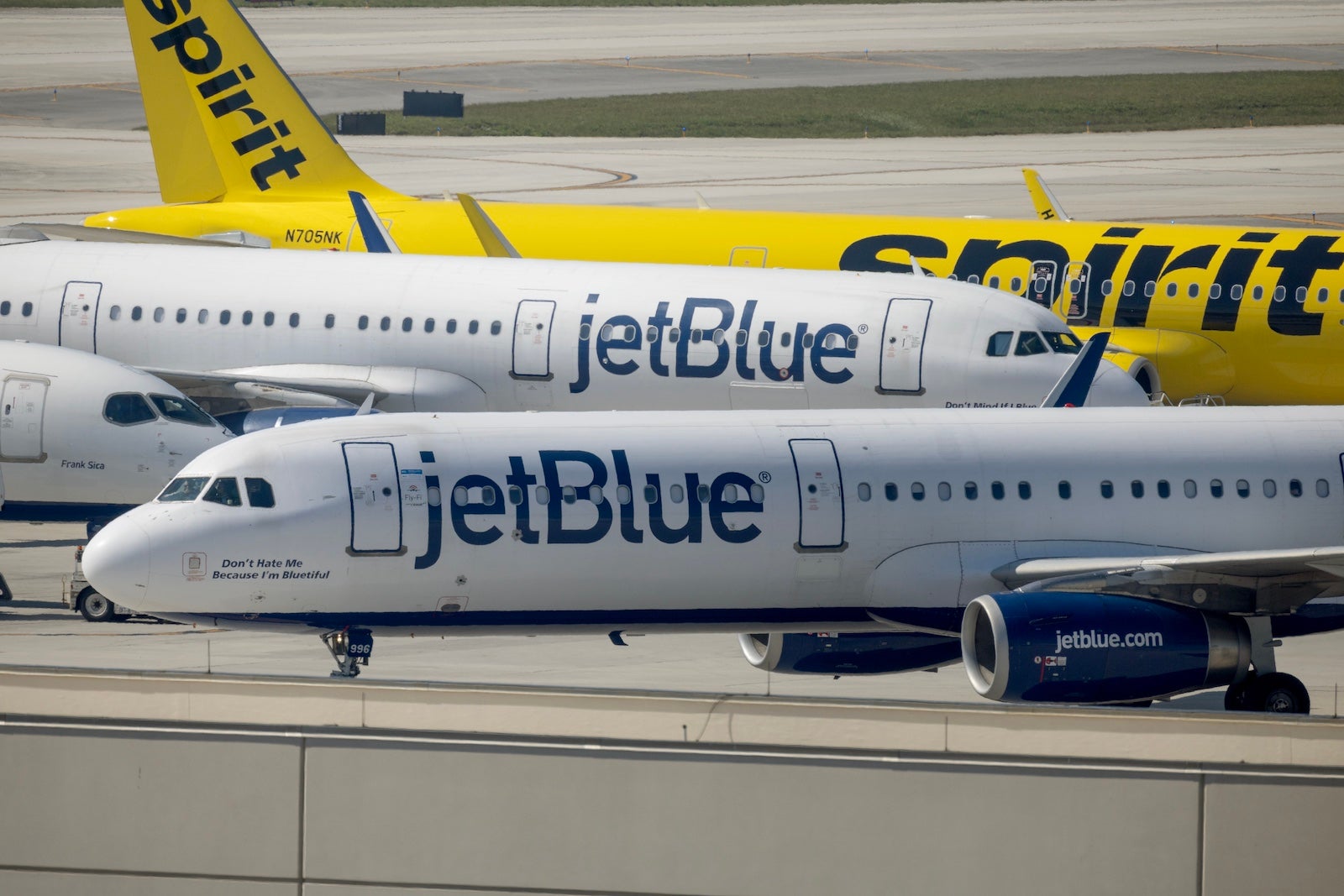
Spirit had also been the top carrier at Fort Lauderdale-Hollywood International Airport (FLL), though JetBlue took over the mantle there in recent months.
Basic economy to suffer most
If we see fare hikes, Tan suspects the big airlines’ basic economy tickets are most likely to be affected, since those fares are where Spirit (like Frontier today) provided the bulk of the competition.
“That product,” he reminded travelers, “was the legacy carriers’ response to Spirit’s stripped-down base fares.”
Deep dive: Basic economy and the ‘evolution’ that’s sweeping over airlines’ cheapest fares
Jet fuel prices already affecting airfare
Of course, travelers aren’t currently finding much in the way of cheap fares right now, period.
The run-up in global jet fuel prices that has triggered higher ticket prices and fees across the industry.
Nearly every major carrier has raised checked bag fees. International airlines have tacked on fuel surcharges. Fares have risen noticeably, too: As of April 27, travel search engine Kayak reported average domestic economy fares were running 27% higher than last year.
Still, travel demand remains strong
Yet, airlines have broadly concurred that travelers remain undeterred by the higher fares, booking summer trips at a rate that makes it unlikely we’ll see widespread flight discounts anytime soon.
In its earnings call on Tuesday, executives at Frontier — once Spirit’s biggest competitor — cited “durable demand” even as the budget carrier confirmed it joined United Airlines and other carriers in raising fares across the board five times since the start of the war in Iran.
A collapse not seen in decades
All told, it’s likely travelers have still yet to experience all the shockwaves from Spirit’s demise, even as the engines on its jets quiet and its stranded passengers find their way home.
The lingering uncertainty is no surprise, considering we haven’t seen the collapse of an airline at this scale since 1991, argued Shea Oakley, a commercial aviation historian — who recalled the folding of Eastern Air Lines and Pan Am amid circumstances that echo decades later in 2026.
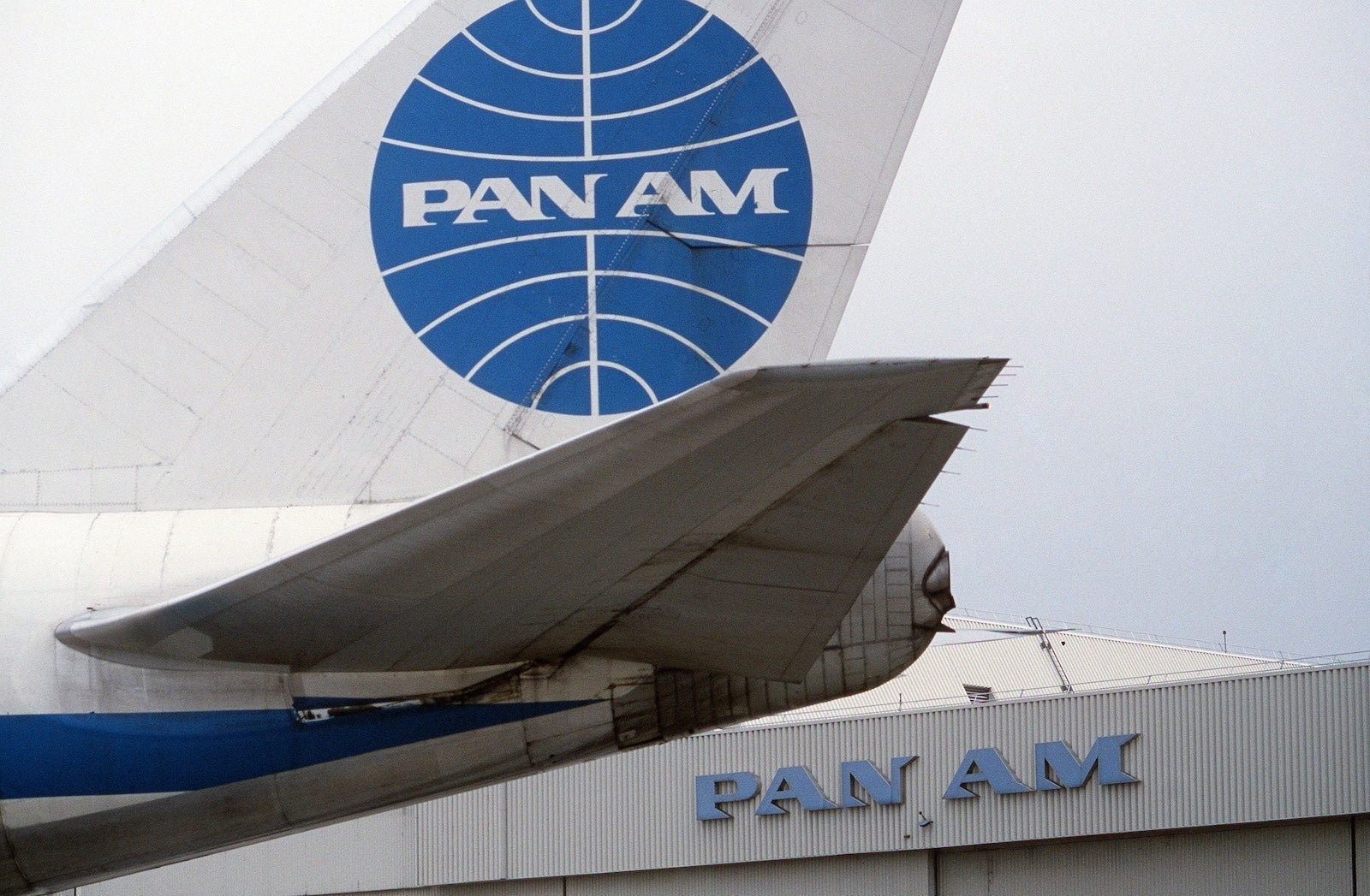
“You had the Gulf War, in 1991, which caused a massive increase in fuel prices,” Oakley recalled. “Both of these airlines were in very bad shape financially and just trying to survive prior to the war … and that’s basically what put them both over.”
TPG’s coverage of Spirit Airlines’ collapse:
