

On December 7, 1941—Hawaii’s historic day of infamy—Pearl Harbor was bombed by the Japanese, and the United States entered World War II.
Honolulu, the state’s capital on the island of Oahu, has a rich history from the war years. This tour covers some of the most important places.
 (Credit: Frommers.com Community)
USS Arizona Memorial at Pearl Harbor
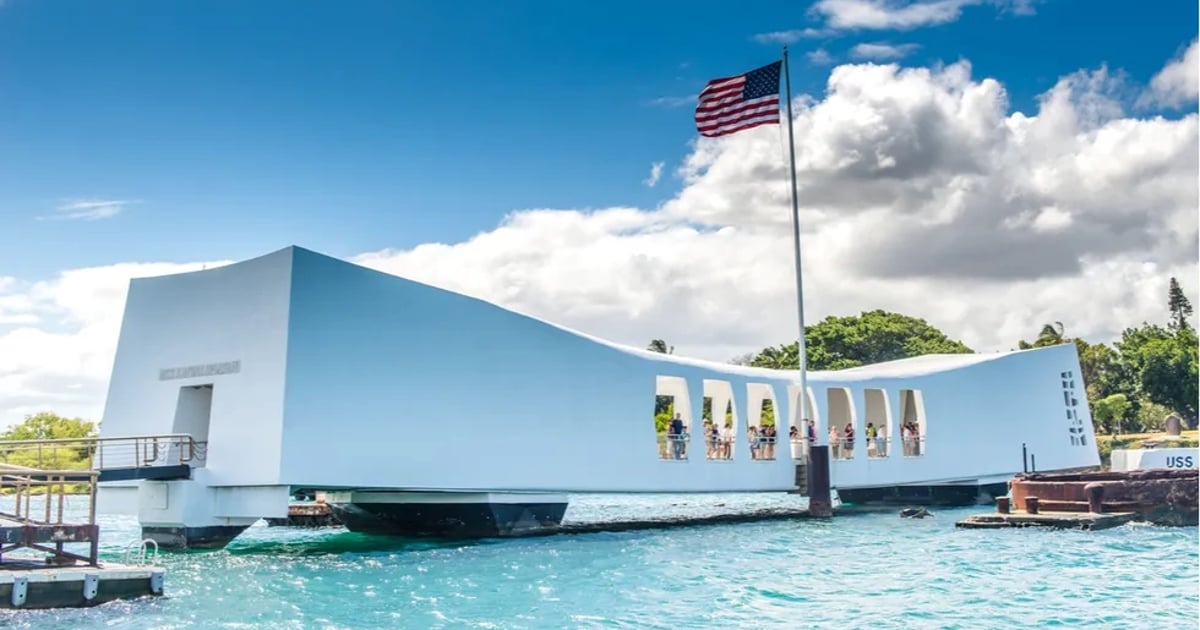
This unforgettable memorial is one of Oahu’s top attractions. On December 7, 1941, the USS Arizona, while moored here in Pearl Harbor, was bombed in a Japanese air raid. The 608-foot battleship sank in 9 minutes without firing a shot, taking 1,177 sailors and Marines to their deaths—and catapulting the United States into World War II.
The deck of the ship now lies 6 feet below the surface of the sea. To this day, oil continues to ooze slowly up from the Arizona’s engine room, staining the harbor’s calm, blue water. Some say the ship still weeps for its lost crew.
The memorial is a stark white, 184-foot rectangle that spans the sunken hull of the ship. The design was by Alfred Preis, a German architect interned on Sand Island during the war.
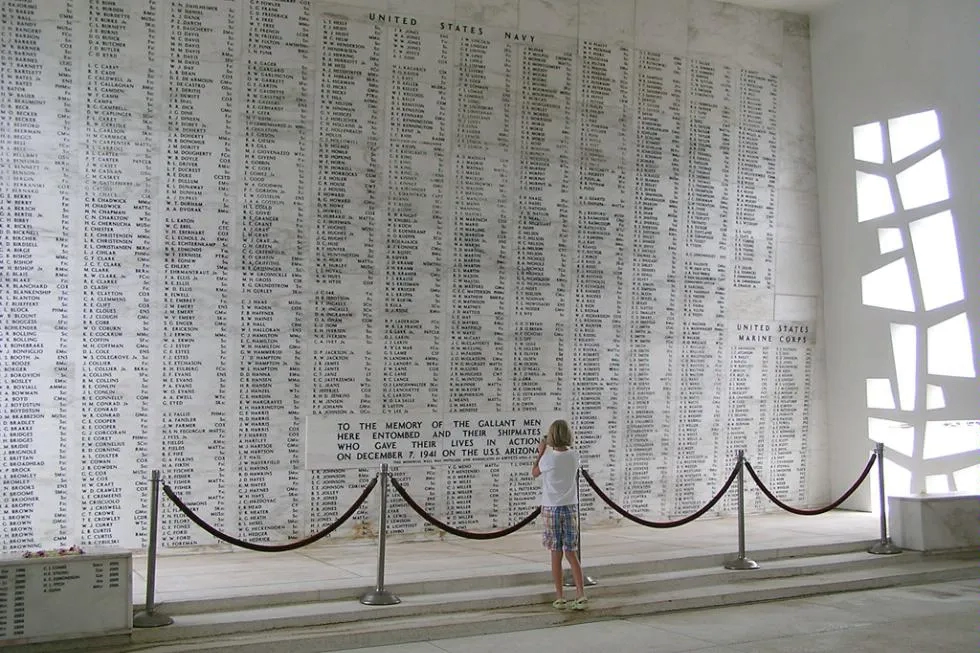
The monument contains the ship’s bell, recovered from the wreckage, and a shrine room with the names of the dead carved in stone.
Pacific Fleet Submarine Museum
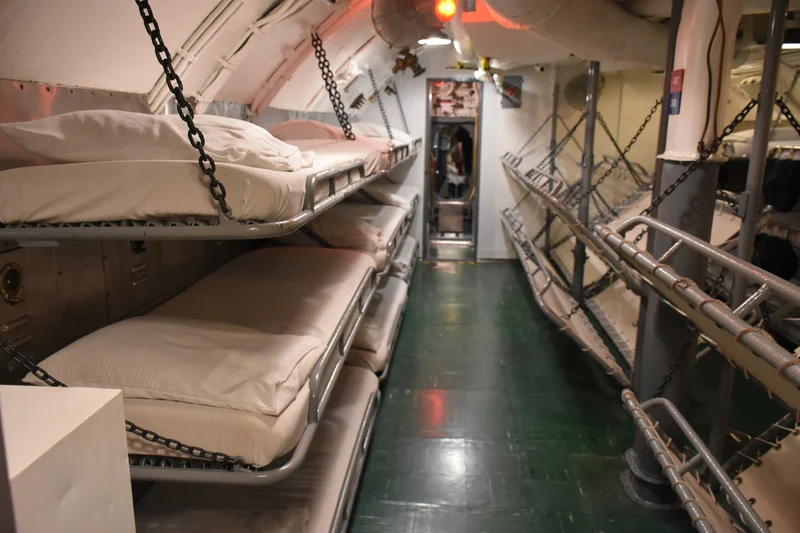
This is a great opportunity to see what life was like on a submarine. You can go below deck on the famous USS Bowfin—nicknamed the “Pearl Harbor Avenger” for its successful attacks on the Japanese—and see how the 80-man crew lived during wartime.
The adjacent museum contains three galleries of exhibits documenting the U.S. Navy’s Submarine Force from World War II, through the Cold War, and into the present. The Waterfront Memorial honors submariners lost during World War II.
Battleship Missouri Memorial
On the deck of the USS Missouri, a 58,000-ton battleship, World War II came to an end with the signing of the Japanese surrender on September 2, 1945. To visit the memorial, take the tour, which begins at the visitor center.
Guests are shuttled to Ford Island on buses. Once on the ship, you’re free to explore the exhibits on your own or take a guided tour.
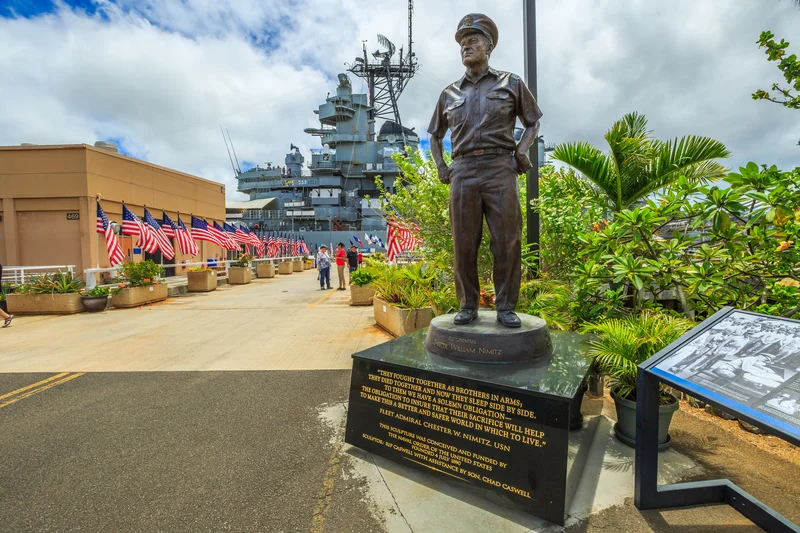
Highlights of the massive battleship include the forecastle (or fo’c’s’le, in Navy talk), where the 30,000-pound anchors are dropped on 1,080 feet of anchor chain; the 16-inch guns, which can fire a 2,700-pound shell some 23 miles in 50 seconds; and the spot where the Instrument of Surrender was signed as Gen. Douglas MacArthur, Adm. Chester Nimitz (whose statue is pictured above), and Adm. “Bull” Halsey looked on.
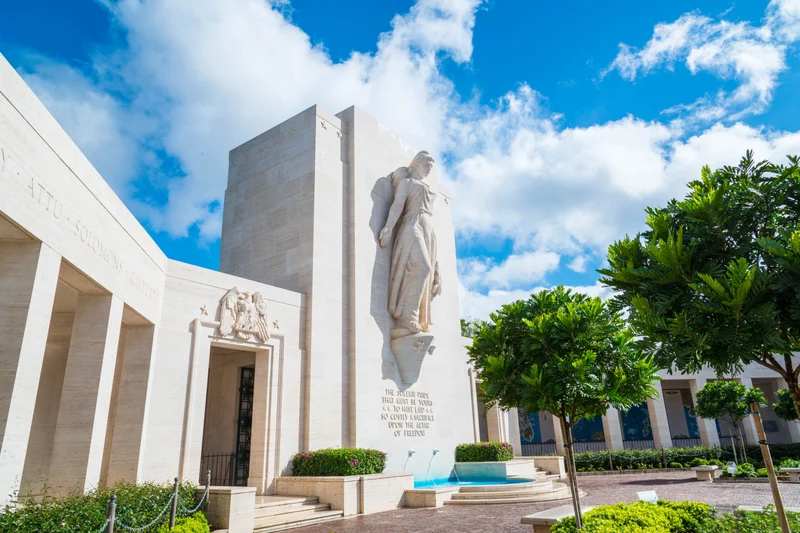
National Memorial Cemetery of the Pacific
You may know this national cemetery by its nickname, Punchbowl. The Hawaiians called this area Pūowaina, or “hill of sacrifice.”
Not only is the cemetery a memorial to 35,000 veterans of wars, but it is also a geological wonder, formed by a volcanic cone that exploded lava some 150,000 years ago.
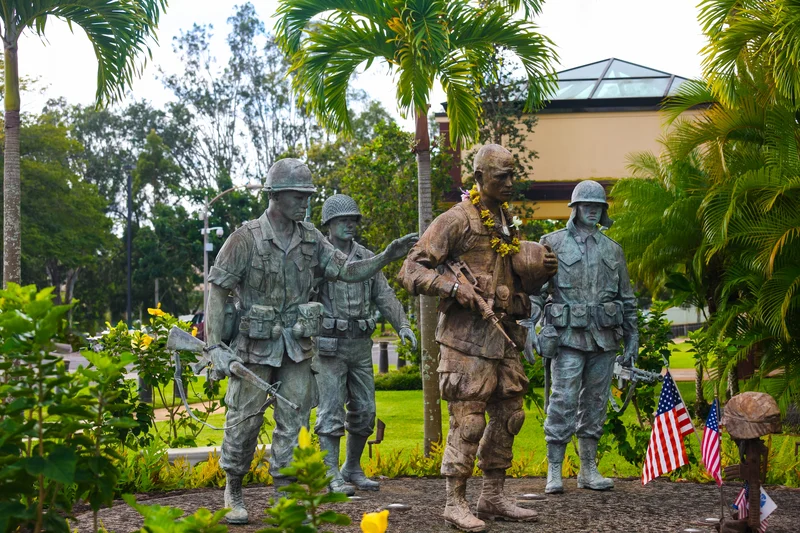
U.S. Army Schofield Barracks & Tropic Lightning Museum
With its broad, palm-lined boulevards and art deco buildings, this old army cavalry post is the largest of its kind still operating outside the continental U.S. You can’t visit the barracks themselves, but the history of the site and the 25th Infantry Division is told in the small Tropic Lightning Museum. Displays range from a 1917 bunker exhibit to a replica of Vietnam’s infamous Cu Chi tunnels.

Frommer’s Hawaii 2026
Comprehensive and fully updated, Frommer’s Hawai’i covers all the major Hawaiian Islands, and takes you from world-famous beaches to secluded rain-forests to blazing hot restaurants—and everywhere in between. Frommer’s authors are expert, seasoned journalists, like Natalie Schack and Catherine Toth …
Get the book
Frommer’s Hawaii 2026
Comprehensive and fully updated, Frommer’s Hawai’i covers all the major Hawaiian Islands, and takes you from world-famous beaches to secluded rain-forests to blazing hot restaurants—and everywhere in between. Frommer’s authors are expert, seasoned journalists, like Natalie Schack and Catherine Toth …
