

The WHO has declared it a public health emergency for international concern.
An Ebola outbreak in the Democratic Republic of the Congo (DRC) and Uganda has caused more than 130 deaths. An American was exposed to the virus and tested positive this week. To prevent its introduction to the U.S., the country has implemented travel restrictions, including restricting entry to non-U.S. travelers who have been in the region and enhancing screening protocols.
What’s Happening?
The World Health Organization (WHO) declared that the Ebola disease caused by the Bundibugyo virus is a public health emergency of international concern. However, it does not meet the criteria for a pandemic.
The Bundibugyo virus is one of the viruses that causes Ebola, and currently, there is no vaccine for prevention. The fatality rate is between 25% and 40%.
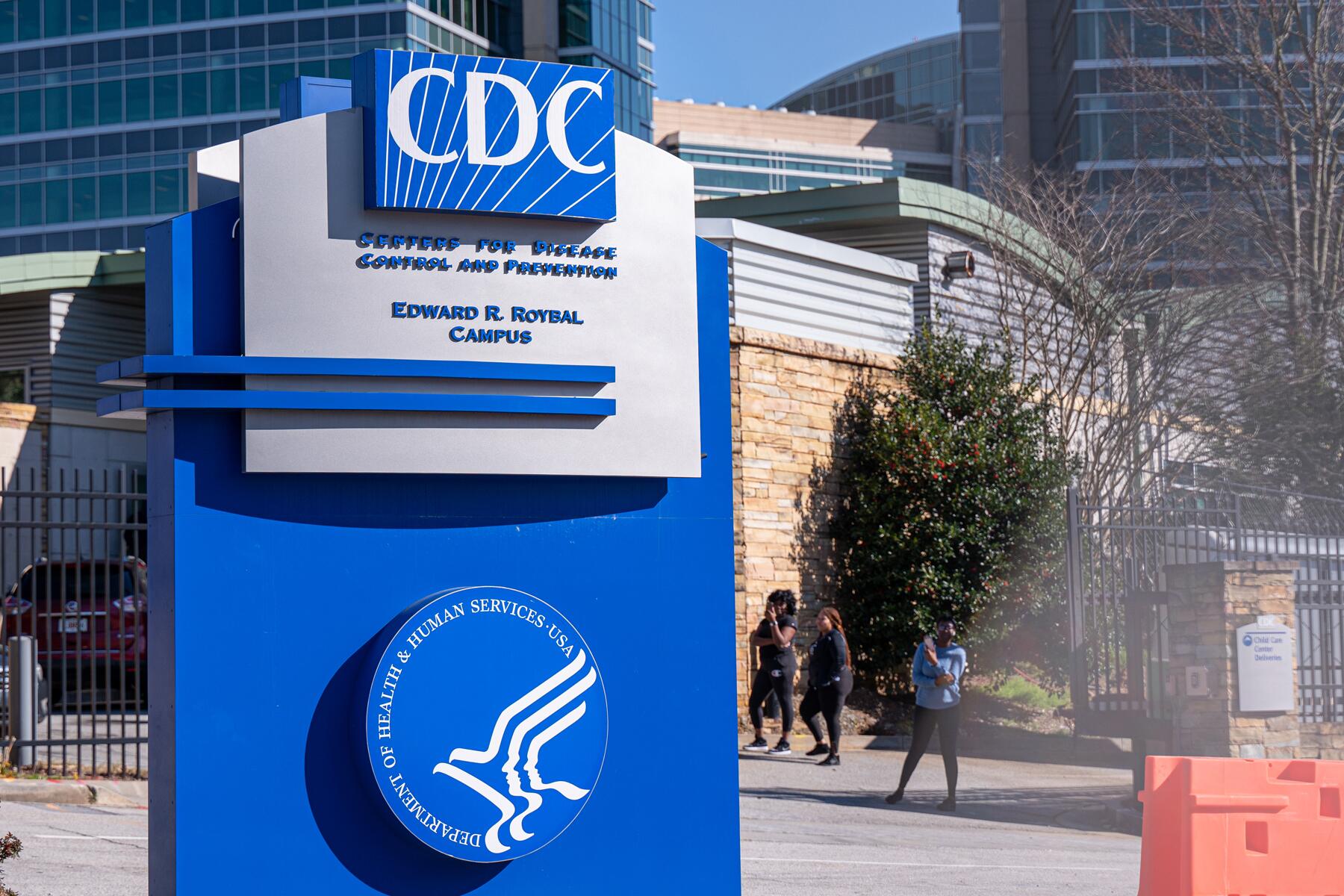
On May 18, the U.S. Centers for Disease Control and Prevention (CDC) confirmed that an American, Dr. Peter Stafford, tested positive for the disease in the DRC. The unidentified American was exposed through work in the country, and the U.S. Department of State is moving the patient to Germany for treatment. Six other Americans who may have been exposed to the virus are also being transferred to Germany.
Continue Reading Article After Our Video
Recommended Fodor’s Video
International Christian charity Serge announced that Dr. Stafford, a physician, tested positive. He is in the DRC with his wife, Dr. Rebekah Stafford, and their four children, who are being monitored.
The U.S. is also implementing additional measures to prevent the spread of the disease. The State Department has issued advisories warning people against traveling to Uganda and the DRC. The agency has also restricted entry of non-U.S. passport holders who have traveled in Sudan, Uganda, or the DRC in the last 21 days. The U.S. embassies in these three affected countries have suspended all visa services.
Beyond these efforts, the U.S. has also enhanced screenings for travelers arriving from the region and is coordinating with airlines, ports, and international partners to manage travelers who may have been exposed.
These measures will be implemented immediately and remain in place for at least the next 30 days.
Related: Isolated Island With Just 35 Residents on Edge as Traveler Spurs Hantavirus Scare
What Is Ebola?
Ebola is a disease caused by a group of viruses. People who are exposed to the viruses may show symptoms between two and 21 days later. Early symptoms include fever, weakness, and aches, and patients may later develop more serious symptoms such as unexplained bleeding, diarrhea, and vomiting. The symptoms can be confused with those of other infectious diseases.
It is a serious illness with a high mortality rate of up to 80%. There is an FDA-approved vaccine for one of the Ebola viruses, Orthoebolavirus zairense. The current outbreak is caused by the Bundibugyo virus, for which there is no vaccine. Treatment consists of supportive care to manage symptoms like pain and dehydration. Early care can improve survival chances.
The current outbreak is the 17th occurrence of Ebola in the DRC, and the most recent one concluded in December 2025. There are more than 500 suspected cases in the DRC, and healthcare workers are among those who have died in the region. It is likely the virus was spreading for weeks but went undetected due to a civil war, which has displaced people and strained health services.
For now, travelers do not need to worry about the disease. The CDC said the risk to the general public in the U.S. is low but may update this assessment as more information becomes available.
People who have traveled through the affected regions recently are advised to monitor health notices and seek medical attention if symptoms develop.
