


Here’s what they had to say.
What does the future of travel look like? As we look towards an uncertain tomorrow marked by changing climates, fraught politics, and volatile economies, this question is often asked by many of us who work in the travel space. But whether or not you have a career in the travel industry, we all have skin in the game when it comes to this question. The travel industry touches all of our lives to some degree.
The future of travel and what it might bring in terms of affordability and ease can affect our access to other destinations and experiences as we move through the world. Recently, in New York City, this was the topic of conversation at the Femme Circle, a series that invites professional women and their allies to an evening of discussion centered on a particular industry. Femme Circle is inspired by New York’s historic Round Table at the Algonquin Hotel and its “Vicious Circle,” where an informal group of influential creatives regularly met in the 1920s and ’30s, including poet and critic Dorothy Parker, journalist and co-founder of The New Yorker Jane Grant, and Pulitzer Prize-winning playwright George S. Kaufman.
Continue Reading Article After Our Video
Recommended Fodor’s Video
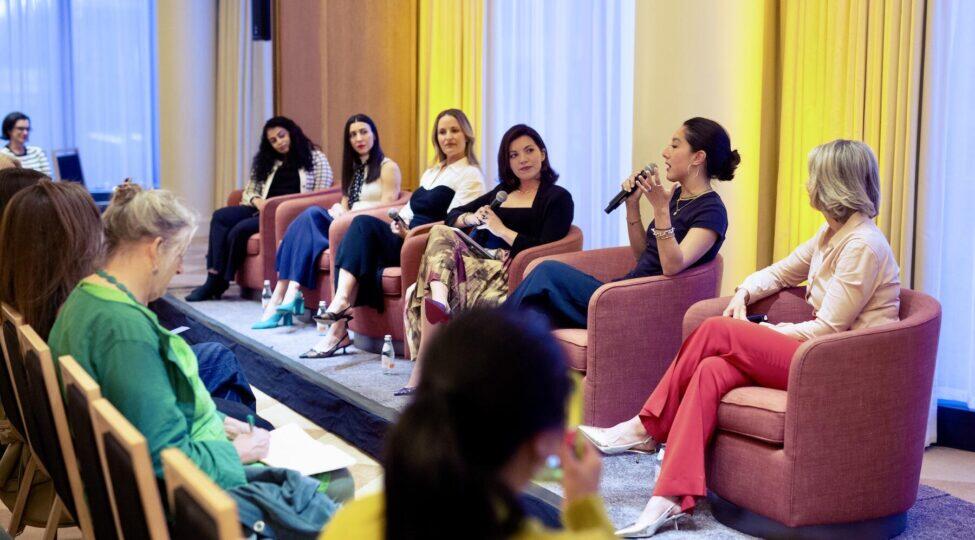
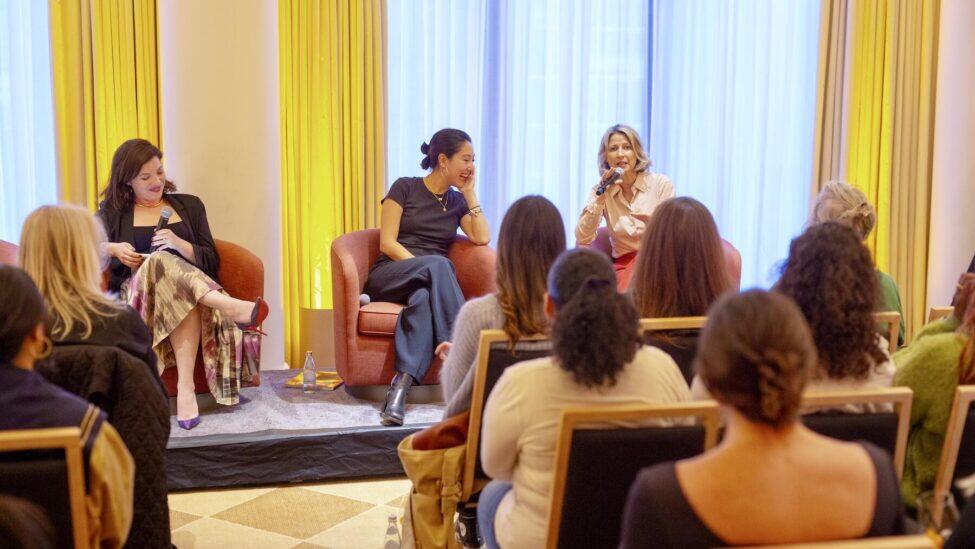
At the most recent Femme Circle, people from across the travel industry and beyond gathered at the Pendry Manhattan West, a gorgeous hotel affording stellar views of Midtown Manhattan, to sit and consider the current state of the travel industry and where it might be headed.
The panel included Kacey Bruno, senior vice president of communications at Montage International, a collection of world-class international luxury hotels, resorts, and residences; Samantha Brown, renowned travel expert and Emmy-winning television host of Samantha Brown’s Places to Love; Sarah Khan, contributing editor of Condé Nast Traveler, author of the Assouline book Mystic Mist: The Rituals of Huqqa, and an award-winning journalist; Christina Gnozzo, vice president of Finn Partners, a travel, tourism and lifestyle marketing and PR agency; and Sophie Yun Mancini, a writer, creative consultant, and deputy print editor of Dossier Magazine.
Moderated by myself, Fodor’s senior digital editor, here are four takeaways from the panel that might change how we travel.
Takeaway #1: Hospitality Is Always Recalibrating
Our accommodations are the first impression we often have of a destination, and how that first impression goes can set the tone for our upcoming visit. This is a fact that both Kacey Bruno and Christina Gnozzo are well aware of. Both noted that today’s hospitality industry is making a conscious effort to prioritize intentionality and experience for its guests. For Bruno, that intentionality plays a big part in ensuring guest needs are being met from the moment they walk through the hotel lobby. Whether it’s through thoughtful gifts or anticipating what a guest might need, Bruno and Gnozzo underscored the importance of acknowledging how expensive travel is these days and honoring the financial investment travelers make when booking their hotel stays.
I found this approach refreshing: an acknowledgment that travel is not a given but an investment that, for many, is the result of hard work and diligent saving. Little touches go a long way toward helping guests feel seen, honoring the investment they’ve made toward a trip, and improving their overall experience in a destination.
“Experience” was a word Gnozzo emphasized during the panel, highlighting the myriad ways Finn’s hospitality clients continue to connect their guests to destinations through experiential offerings. Maybe it’s a cooking class or a guided tour. It could simply be incorporating local art, ingredients, and traditions into the hotel, folding the local culture into its business, and making the hotel feel more connected to its surroundings. What’s clear is that, through Gnozzo and Bruno’s collective experience, today’s hospitality industry seems to be constantly recalibrating its approach to guests, moving with the tide and placing emphasis on the quality of an experience and the responsibility of fostering a local connection.
For travelers, this has a big impact on your upcoming trips and where you choose to rest your head at night. If hotels are making a conscious effort to honor your stay and connect you to the destination, this promises a future of hospitality more closely tied to place, people, and guests’ needs.
Takeaway #2: Can We Make Travel Stories Sexier?
One of the unique aspects of this Femme Circle panel was how it offered a mini 360-degree view of today’s travel industry through the eyes of each woman, bringing a plethora of experience to the conversation.
For Dossier deputy print editor Sophie Yun Mancini, there’s an untapped opportunity to make travel content sexier, grittier, and more candid. If the word “sexy” gives pause, consider its meaning in this context. To make travel context sexier would be to make it more alluring, engaging, and enticing—going beyond the sort of ‘travel points and credit card stories’ that can often define this genre.
There’s no reason travel shouldn’t be sexier, Mancini mused, touching on how travel is such a transformative experience that meets us where we’re at in life. Whether searching for healing, celebrating milestones, or connecting with a sense of self, the universality of travel and its ability to remove us from our lives, however temporary, goes well past the utility content too often seen in travel media. Mancini’s take was a refreshing approach to travel articles and how, despite the constant encroachment of AI on digital media, it might evolve as we move into the future, leaning more heavily on human interest stories and personal narrative.
For Condé Nast Traveler contributing editor Sarah Khan, travel stories also have an opportunity to continue diversifying and uplifting voices as we look towards the future. In 2020, diversity became a long-overdue conversation that saw every industry—from Hollywood to Wall Street—reflecting on inequalities that need addressing and improving. In travel media, especially, that conversation raised questions around storytelling, diversifying bylines, and how the content we publish can uplift people of color.
There remains endless opportunity to continue diversifying travel media at all levels. But, as Khan noted, a commitment to diversity needs to be wary of pigeon-holding BIPOC writers to covering certain destinations or only publishing BIPOC stories around certain moments in time, such as Black History Month or Hispanic Heritage Month. The travel industry’s commitment to diversity needs to be a constant one that not only includes a more thoughtful approach to storytelling but blossoms across all levels of the business, right up to the decision-makers.
While this might sound industry-specific, it really does matter for all individual travelers. The stories we read help inform our future travels, whether by inspiring our next destination or providing resources for planning our trips. When we read stories that uplift local voices and spotlight culture, they help us to better plan our travels, support BIPOC-owned businesses, and be mindful and respectful of traditions, allowing us to move through the world with greater understanding.
Takeaway #3: Human Interest Stories Matter Most
For travel television host Samantha Brown and her Emmy-winning television show, Samantha Brown’s Places to Love, she backed Mancini and Khan, recounting how human-interest stories rest at the heart of her PBS television series. At a time when people are consuming 30-second videos on social media, often swiping through without retaining much meaning, Brown manages to capture her audience’s attention with long-form episodes that place the human experience front and center.
For Brown, much like Mancini and Khan, putting local stories at the heart of her show and ensuring they are told by the people themselves is important. Brown may be the host of her series, but it’s clear that her job is to serve as a conduit to the rich and vibrant cultures she spotlights, giving a platform to the local people.
Brown’s storytelling seems to resonate perfectly with where Mancini and Khan hope to see the future of travel media going—a commitment to diversity and a focus on the “sexier” sides of travel, making for stronger storytelling that feels compelling and exciting. For Brown, moving away from the standard “Here are 5 Things to Do in X Destination” content opens up a world of more meaningful conversations. With utility travel content becoming the very thing most likely to be cannibalized by AI, human interest stories may very well be where the future of travel media goes—and therefore where you, the traveler, may find inspiration for your next trip.
Takeway #4: The Word of the Night
Throughout the conversation, one word kept popping up again and again: intention. Whether it was hospitality and its commitment to bringing intention to each of its guests’ experiences or travel media and its hope of bringing intention to every article and episode, the future of travel, from the lens of these five powerhouse women, rests in intentionality.
With the world speeding up and sacrificing human artistry on the altar of efficiency, perhaps the future of travel might be to slow down instead.
As the panel’s moderator, this stood out to me. We live in a moment where everything feels predicated on speed and ease, especially content. As AI continues to reshape industries, the speed at which we produce and create seems to favor quantity over quality. But through the eyes of the Femme Circle’s panelists—Sarah Khan, Samantha Brown, Kacey Bruno, Christina Gnozzo, and Sophie Yun Mancini—our quiet revolution might just rest in intention.
As we consider the future of travel and where it’s going, perhaps the biggest takeaway of the night was the very word that kept popping up throughout the evening. With the world speeding up and sacrificing human artistry on the altar of efficiency, perhaps the future of travel might be to slow down instead, inspiring all of us to move ahead with intentionality, purpose, and a curiosity for the human experience in a way like never before.
